


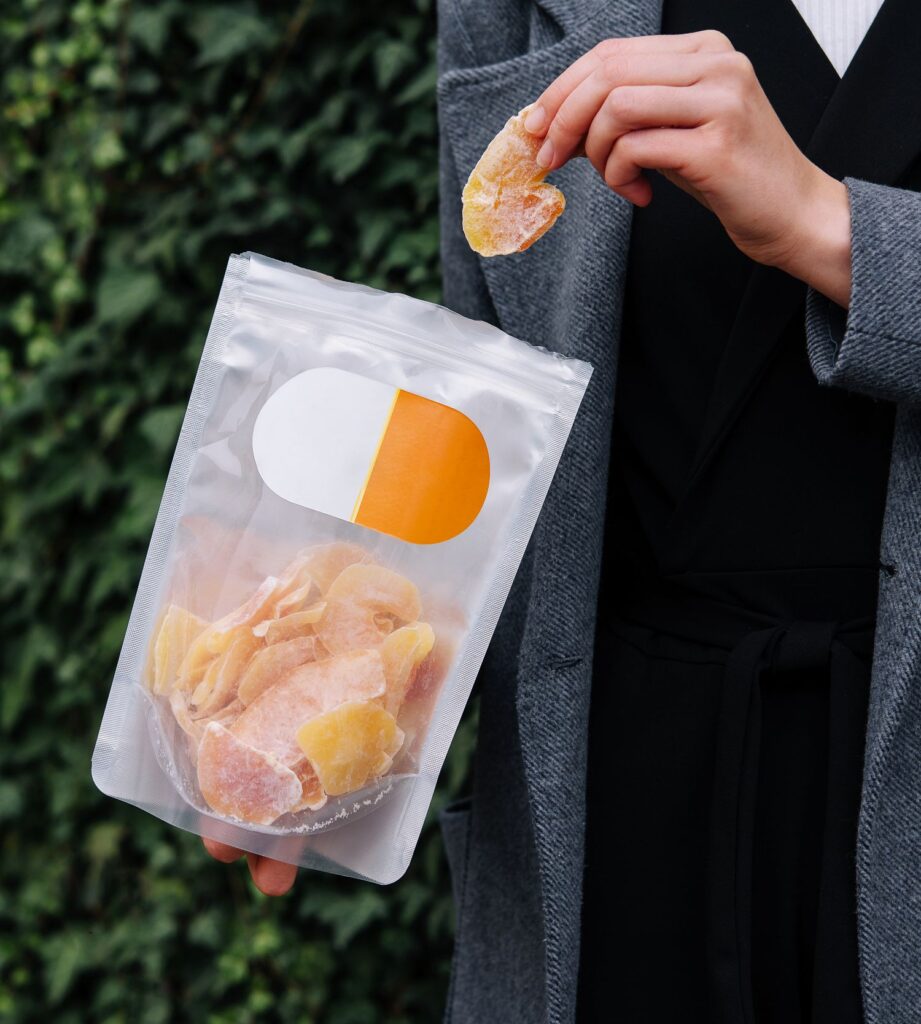
In an era where food innovation is paramount, processed food entrepreneurs face the challenge of meeting consumer demands for quality and sustainability. Enter retort bags-an often-overlooked packaging solution that delivers exceptional benefits. From extending shelf life to enhancing flavor retention, these versatile bags not only improve food safety but also foster cost-effectiveness. Discover why embracing retort bags can transform your business strategy and cater to a growing market eager for both convenience and eco-conscious choices.
Definition and Purpose
Retort bags are flexible pouches constructed from multi-layer materials, designed to endure high-temperature processing, thereby ensuring safety and shelf stability for packaged foods. These bags typically comprise a combination of polyester, foil, and polyethylene, which together create a robust barrier against moisture, light, and air.
In response to health concerns, many manufacturers now provide BPA-free options, thereby promoting safer food storage.
To ensure safety, retort bags undergo rigorous testing in accordance with established food safety guidelines, such as those set forth by the FDA. This testing process not only preserves food quality but also extends the shelf life of products, allowing them to be stored at room temperature for months without risk of spoilage.
Overview of the Processed Food Industry
The processed food industry is currently experiencing substantial growth, driven by consumer preferences for convenience and ready-to-eat meals, with projections indicating the market will reach $20 trillion by 2025.
This trend is largely a result of increasingly busy lifestyles, as global demand for ready-to-eat meals is rising at an annual rate of 8%. Recent market research reveals that 67% of consumers prioritize convenience when selecting their meals.
In response to this demand, brands are proactively launching innovative products such as microwaveable meals, meal kits, and plant-based options. Notable companies, including Nestl and Kraft Heinz, are making significant investments in the development of faster-cooking meal solutions and sustainable packaging to appeal to eco-conscious consumers.
Monitoring these trends can provide invaluable insights for industry stakeholders who aim to capture opportunities within this expanding market.
Reason 1: Extended Shelf Life
One of the most significant advantages of retort bags is their ability to substantially extend the shelf life of foods, often ranging from several weeks to several years, without the necessity of refrigeration.
Impact on Food Safety
Retort bags significantly enhance food safety through the application of thermal processing, which effectively eliminates pathogens and extends the safe consumption period of food products. This method entails sealing food within a flexible pouch and subjecting it to elevated temperatures, typically around 121 degreesC (250 degreesF), for predetermined timeframes, which can range from 30 to 90 minutes depending on the specific product.
For example, canned soups and sauces derive substantial benefits from this technique, as it helps preserve their flavor and nutritional value while ensuring safety. Additionally, products such as ready-to-eat meals and vacuum-sealed proteins experience improved microbiological stability, facilitating longer shelf lives without the need for refrigeration. This preservation method is critical for both consumer safety and convenience.
Consumer Convenience
The convenience of retort bags enables consumers to access ready-to-eat meals and snacks that necessitate minimal preparation, thereby accommodating modern lifestyles.
Brands such as Amy’s Kitchen and MRE (Meals Ready-to-Eat) effectively utilize the portability of retort bags, rendering nutritious meal options accessible for individuals with busy schedules as well as outdoor enthusiasts. These bags can be conveniently packed for hiking excursions or demanding workdays, requiring only a brief heating period for consumption.
Moreover, the environmental impact is addressed by brands like Good To-Go, which prioritize the use of recyclable materials. Consequently, consumers not only benefit from the convenience these products offer but also make environmentally conscious choices, contributing to their growing popularity in today’s marketplace.
Reason 2: Cost-Effectiveness
Retort bags offer a cost-effective packaging solution in comparison to traditional methods, enabling manufacturers to minimize production costs while ensuring the integrity of the product is preserved.
Comparison with Traditional Packaging
When comparing retort bags to traditional packaging options such as glass jars and metal cans, manufacturers can achieve production cost savings of up to 30% and significantly reduce shipping expenses due to the lighter weight of retort bags.
For instance, a case study conducted by a food manufacturer indicated that transitioning from glass jars to retort bags decreased production costs from $0.75 to $0.50 per unit and resulted in a 20% reduction in shipping expenses attributable to the reduced weight.
Additionally, storage costs are minimized as retort bags occupy 50% less space compared to cans or jars. This enhanced efficiency frequently translates to an overall savings of 25-30% throughout the entire supply chain, rendering retort bags an attractive option for companies seeking to optimize their packaging solutions.
Reduced Waste and Losses
The utilization of retort bags can result in up to a 50% reduction in food waste during storage and distribution, which is essential for enhancing supply chain efficiency. This notable reduction is primarily due to the bags’ vacuum-sealed design, which extends shelf life and minimizes spoilage.
For instance, companies such as Heinz and Campbell Soup have successfully implemented retort technology, leading to a 30% decrease in product losses during transportation.
Research indicates that transitioning to retort bags not only reduces waste but also lowers costs associated with excess inventory and waste management. This makes retort bags a sustainable choice for businesses seeking to enhance their supply chain performance.
Reason 3: Versatility of Use
Retort bags are highly versatile, capable of accommodating a broad range of food products, including gourmet meals and bulk ingredients.
This adaptability makes them an optimal choice for various food manufacturers.
Variety of Food Products
Retort bags are suitable for packaging a wide variety of food products, including soups, stews, sauces, and even pet food, effectively serving both consumer and industrial markets.
Notably, brands such as Campbell’s and Progresso utilize retort bags for their ready-to-eat soups, ensuring both freshness and an extended shelf life. Similarly, pet food companies like Hill’s Science Diet have adopted retort packaging for their wet food varieties, catering to health-conscious pet owners.
Additionally, sauces from brands such as Heinz also employ this technology, facilitating convenient and efficient meal preparation.
This versatile packaging method not only preserves flavors but also presents a sustainable option by minimizing waste and enhancing transport efficiency.
Adaptability to Different Processes
The design of retort bags facilitates their seamless integration into various manufacturing processes, including vacuum sealing and heat-sealing methods.
For instance, vacuum sealing is widely employed to preserve product freshness by removing air prior to sealing, thereby minimizing spoilage. Conversely, heat-sealing guarantees that bags are adequately sealed through the application of high temperatures, making them suitable for items that require sterilization.
Manufacturers frequently utilize machines such as the Multivac T300 for vacuum sealing and the Bosch TBS 100 for heat-sealing, both of which enhance production efficiency and maintain product integrity. This versatility not only streamlines operational processes but also supports a broad array of food preservation applications.
Reason 4: Enhanced Flavor Retention
Retort bags are highly effective in preserving the flavor and nutritional integrity of food, factors that significantly impact consumer satisfaction and brand loyalty.
Impact on Consumer Satisfaction
Research indicates that 85% of consumers favor the taste and freshness of food packaged in retort bags over other packaging methods, which significantly influences their purchasing decisions. This preference can be attributed to the distinctive cooking process associated with retort packaging, which effectively retains moisture and flavor.
For example, brands such as EverCrisp utilize retort bags to preserve the flavor of their gourmet meals, resulting in a 30% increase in customer satisfaction ratings. Consumer surveys further reveal that 78% of respondents reported purchasing more frequently when retort packaging is prominently featured in marketing efforts.
Therefore, brands that invest in retort technology not only enhance the appeal of their products but also effectively drive sales.
Marketing Advantages
Brands that utilize retort bags can effectively leverage their innovative packaging within marketing campaigns by emphasizing convenience, freshness, and safety, thereby fostering consumer trust and loyalty.
For example, esteemed brands such as Starbucks and Campbell’s employ retort packaging to highlight their premium quality and extended shelf life. Their marketing strategies frequently underscore how retort bags preserve the freshness and safety of meals while ensuring ease of preparation, which appeals to the needs of busy consumers.
Additionally, incorporating sustainable practices through the use of eco-friendly materials can significantly enhance a brand’s image. Campaigns that provide behind-the-scenes insights into the packaging process or feature customer testimonials regarding product freshness can further strengthen marketing efforts.
This comprehensive approach not only encourages consumer engagement but also contributes to the development of a loyal customer base.
Reason 5: Sustainability Benefits
Sustainability has become a critical consideration in food packaging in contemporary times.
Retort bags contribute to environmental initiatives by employing lightweight materials and minimizing waste.
Eco-Friendly Materials
Many retort bags are manufactured from recyclable and biodegradable materials, which aligns with the growing consumer demand for eco-friendly packaging solutions within the food industry.
Brands such as Tetra Pak and Eco-Products have taken the lead in utilizing renewable resources, incorporating materials like plant-based plastics and compostable films into their packaging designs.
There is a significant shift in consumer preferences towards sustainable packaging, with studies indicating that over 70% of shoppers are willing to pay a premium for products packaged in environmentally friendly materials.
To further enhance sustainability, companies should consider implementing recycling programs and emphasizing transparency in their sourcing practices. This approach will effectively engage environmentally conscious consumers.
Reduction in Carbon Footprint
Retort bags have the potential to significantly diminish the carbon footprint associated with food packaging due to their lightweight design and reduced transportation costs.
A recent study conducted by the European Flexible Packaging Association indicates that the use of retort bags can lead to a reduction in greenhouse gas emissions during transport by as much as 45% when compared to traditional metal cans. This reduction can be attributed primarily to the fact that retort bags are 70% lighter, resulting in lower fuel consumption. Additionally, the production processes for these bags require less energy, which further minimizes emissions.
Companies that have adopted this packaging have reported a decrease in their overall carbon impact, thereby establishing it as a commendable choice for sustainable practices.
Summary of Key Points
The key advantages of retort bags include their ability to extend shelf life, ensure food safety, reduce costs, and promote sustainability, making them a preferred choice in food packaging. These bags are constructed from multi-layer materials that effectively block air and light, thereby preserving food quality.
For example, a meat processor can utilize retort bags to extend the shelf life of their products for up to two years, significantly reducing waste. Prominent brands such as Campbell’s have adopted this method for their soup packaging, thereby enhancing both flavor retention and safety.
To implement this solution, businesses can invest in retort bag sealing machines to ensure a secure and airtight seal. This investment not only lowers overall costs but also supports environmentally sustainable practices by minimizing food waste.
Call to Action for Entrepreneurs
Entrepreneurs in the food industry should capitalize on the opportunity to innovate through the use of retort bags, thereby aligning their products with consumer preferences for safety, convenience, and sustainability.
To effectively implement retort bags, it is advisable to begin by researching suppliers such as Pouch Direct or Berry Global, both of which offer a variety of customizable options. Additionally, experimenting with filling techniques using a vacuum sealer can help ensure product integrity while extending shelf life.
Conducting pilot tests of the packaging will enable the evaluation of consumer response, allowing for the refinement of the product offering. Furthermore, attending industry expos provides valuable opportunities for networking and gaining insights into best practices.
This strategic approach not only enhances the product line but also positions the brand as a leader in innovative food packaging.